Mushroom Juniors
Fresh e-commerce for a fresh brand.

A juniors' clothing brand needs an e-commerce experience that actually reflects its fresh identity — vibrant without being noisy — while solving the unglamorous half of commerce: product browsing that converts, checkout that doesn't leak, operational workflows for the people running the store, and reliability across every device a parent might shop on.
The shopper wants speed
Parents shop in stolen minutes — discovery and checkout had to lose every unnecessary decision.
The operator runs the store
Category management and workflow tools are the invisible half of e-commerce — designed, not bolted on.
The developer has to build it
Every pattern was designed as a React-mappable component, so the system survives contact with the codebase.
A storefront is only half the product.
One system, three users — shopper, store operator, developer.

The fewest decisions between 'that's cute' and 'ordered'.
A modular design language mapped to React components
Every pattern in the visual system was designed as a buildable component, not a static picture — so the design system and the eventual codebase share the same vocabulary.
Low-friction discovery and checkout
Category browsing, product pages and checkout were designed as one continuous flow, trimming the steps and decisions between “that's cute” and “order placed.”
Design for the operations side too
Category management and workflow-automation interfaces for the team running the store — because a storefront is only half the product.
One cohesive visual system
Typography, palette and iconography defined as a single system, so the brand reads consistently from homepage to order-confirmation email.
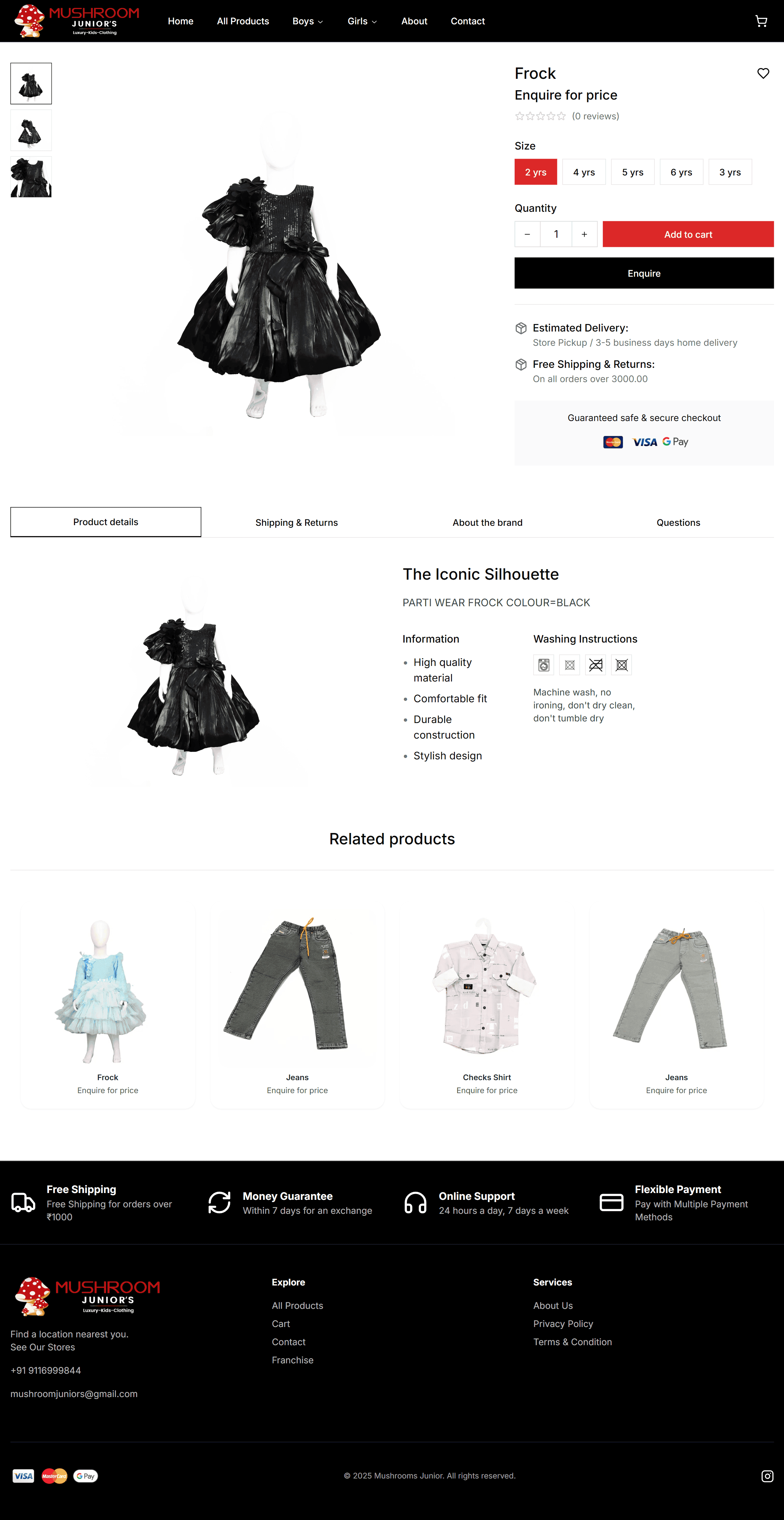
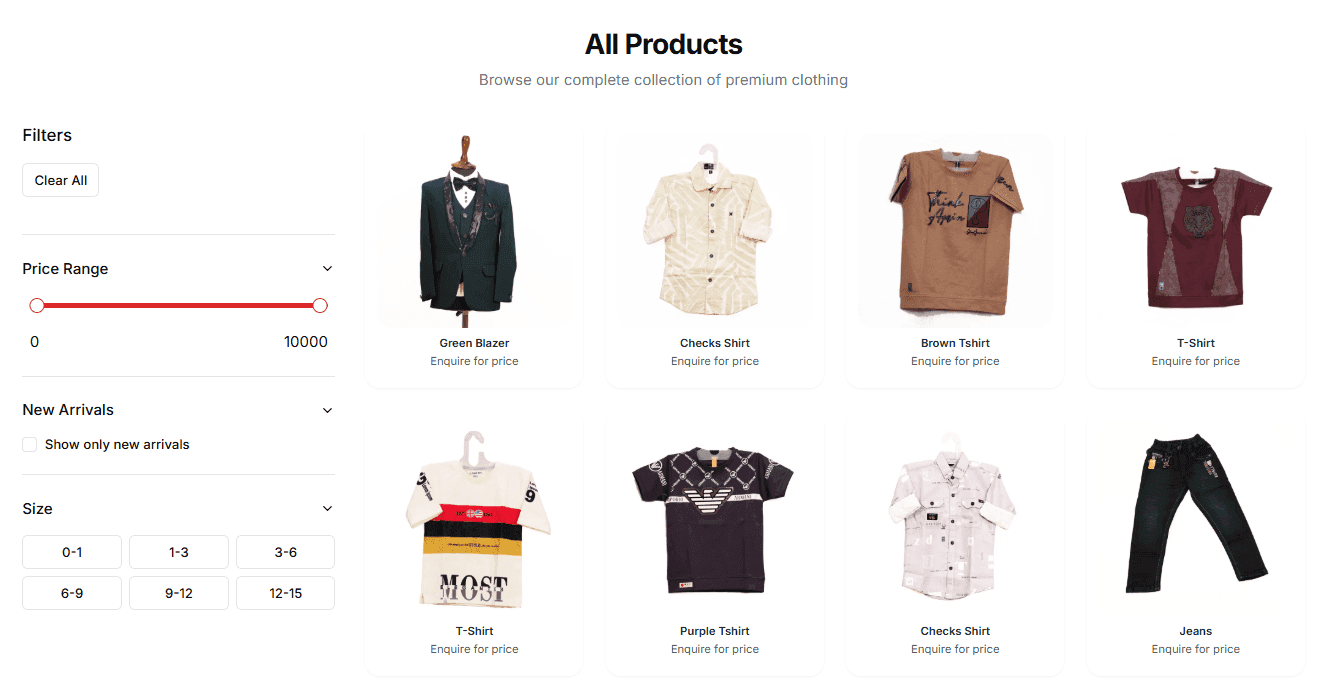
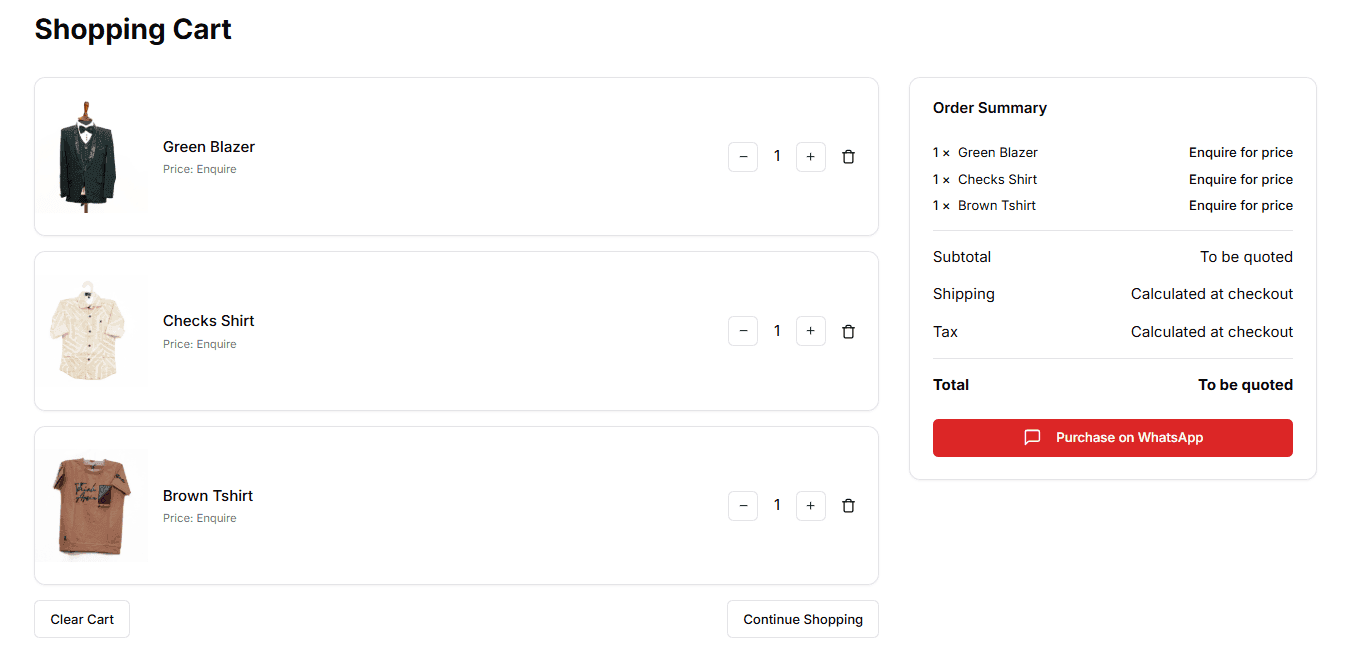
A complete e-commerce concept covering storefront and operations: responsive-first layouts, a performance- and SEO-minded structure, and a design system ready to be built — demonstrating end-to-end ownership from research and visual design to interaction and workflow detail.
- End-to-end e-commerce means designing for three users at once: the shopper, the store operator, and the developer building it.
- Designing against real build constraints (React components, responsive behavior) makes the design stronger, not smaller.